
How Mold Detection Dogs Find What the Human Eye Can't
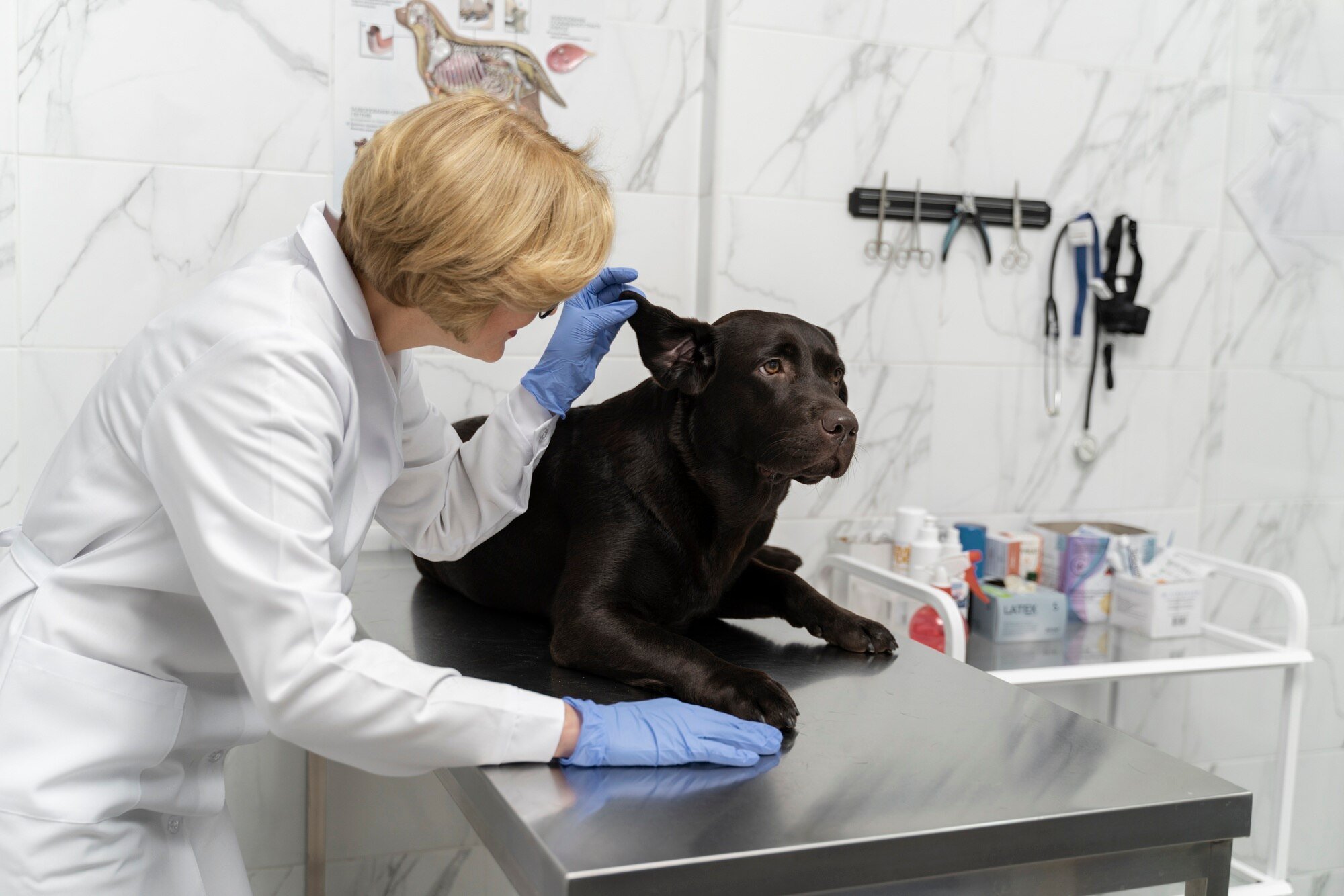
Mold is sneaky. It grows behind drywall, under flooring, inside HVAC ducts, and in crawl spaces you'll never think to check — and by the time you can see it or smell it, it's often already spread further than you realize. That's where a trained mold detection dog changes the game.
A nose built for the job
Dogs have somewhere between 220 million and 300 million scent receptors, compared to roughly 5 million in humans. When a dog is trained specifically to detect the microbial volatile organic compounds (MVOCs) that mold releases as it grows, that nose becomes an incredibly precise diagnostic tool. A skilled mold detection dog can walk through a home in under an hour and pinpoint the exact wall stud, corner, or duct section where mold activity is happening — without a single hole being drilled.
Training that takes months, not days
A certified mold detection dog typically goes through hundreds of hours of scent-specific training before it ever steps into a client's home, learning to distinguish target mold species from dozens of everyday household odors. Handlers train alongside their dogs to read subtle behavioral cues — a pause, a sit, a nose press — that indicate an alert. This partnership is what makes canine inspection so reliable: it's not just the dog's nose, it's a trained team.
Why this matters for Chicago homeowners
Chicago's mix of older brick two-flats, newer construction, and everything in between means moisture problems can hide in very different places from house to house. A dog doesn't care about the age of your home or how it's built — it follows the scent. That's especially valuable after a basement flood, a slow roof leak, or in a home with unexplained musty odors and no visible mold.
What happens after the alert
A canine alert isn't the end of the process — it's the start of confirming what's really going on. A dog's alert points our team to the exact spot to investigate further with moisture meters, thermal imaging, and if needed, lab-tested samples. That combination of instinct and instrumentation gives homeowners something rare in this industry: an answer they can actually trust, backed by data.
If you've been smelling something musty but can't find the source, a canine mold inspection might be the fastest way to get a real answer — before a small problem becomes an expensive one.z